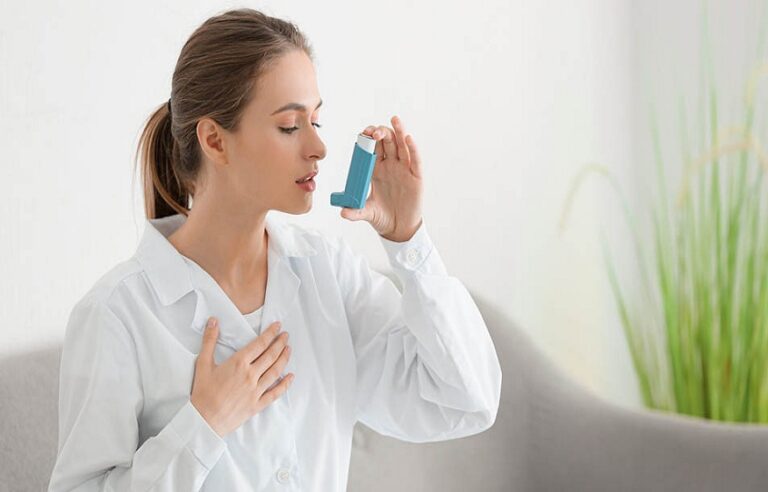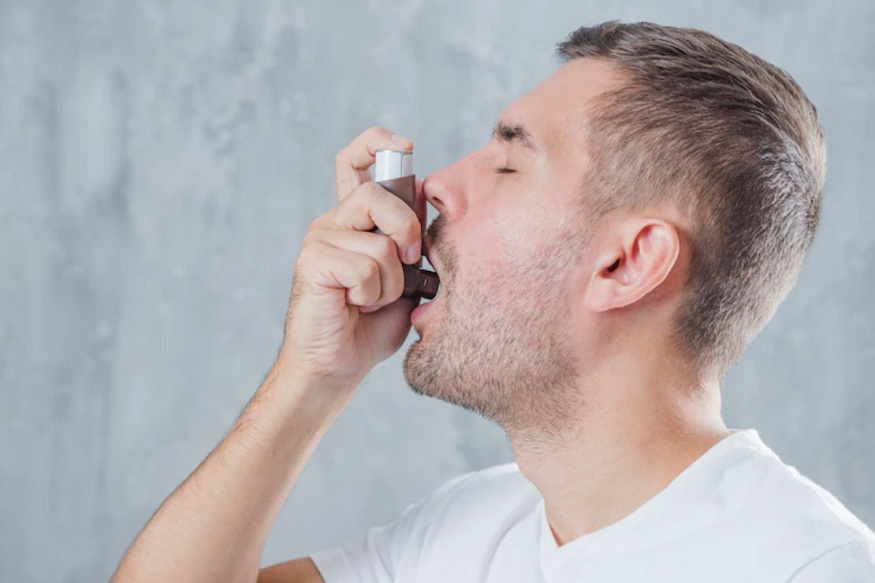
Asthma is a chronic disease caused by inflammation of the bronchial tubes. It manifests itself in attacks that cause breathing difficulties, dry coughing fits, and a feeling of tightness in the chest. Despite effective treatments, the quality of life for asthmatics remains poor. The cause: poor asthma management. However, it is possible to live normally, provided that a certain level of monitoring is followed.
There are asthma schools to inform you
One of the essential rules for controlling your asthma is to be familiar with the warning signs of an asthma attack , to master the technique of inhaling your powder or aerosol medication, to identify the factors that trigger attacks and to know how to measure your breathing using a peak flow meter.
Is your asthma considered acceptable?
In order to facilitate the monitoring of asthma , the High Authority for Health (HAS), in collaboration with the ANSM (National Agency for the Safety of Medicines and Health Products) has issued a set of criteria allowing people with asthma to assess their condition and check that their treatment is well adapted to their asthma.
How to stop having asthma? Are you asthmatic for life?
Asthma often progresses over several years: periods of attacks can alternate with periods of remission, during which one may appear cured. But it is a chronic disease that lasts a lifetime. Fortunately, if it is diagnosed early enough and properly managed, there is no reason not to live a normal life.
You must follow your asthma treatment correctly.
It’s a fact: asthma treatments are too often poorly followed, sometimes due to the difficulty of using metered-dose inhalers, sometimes because of an unfounded fear of inhaled corticosteroids. It’s worth remembering that inhaled cortisone does not pass into the bloodstream, and therefore does not cause weight gain.
Furthermore, the idea that it’s best to only take medication when you’re having an attack is absurd. Long-term treatment medications are not habit-forming. However, they do help prevent attacks, so taking cortisone-containing medications in tablet or injection form can. In these forms, cortisone can cause side effects, which is not the case when it’s inhaled.
Another problem: as soon as asthmatics feel better, they tend to stop their long-term treatment, even though it must be taken continuously in the case of persistent asthma. It is important to know that the effects of long-term treatment are not seen immediately, but rather after several weeks. If you don’t take it regularly, you don’t feel the attacks coming, which are then more severe.
Biomedicines for severe asthma
Severe asthma affects around 6% of asthmatics (source 2). And its management has “for a long time remained confined to high-dose inhaled treatments and oral corticosteroids, in multiple short courses or long-term at the minimum useful dosage,” recalls an article published in La Presse Médicale Formation in 2021 (source 3). “This oral corticosteroid strategy provides benefits, but at the cost of unacceptable and dangerous side effects. The development of new therapeutic axes, using biotherapies , has opened up new therapeutic horizons, with effective molecules, allowing better/good control of asthmatic disease, while reducing dependence and the use of oral corticosteroids.”
Five biotherapies are currently available : omalizumab (XOLAIR), mepolizumab (NUCALA), benralizumab (FASENRA), dupilumab (DUPIXENT), and tezepelumab (TEZSPIRE). In 2024, the French National Authority for Health (HAS) published a guideline on the proper use of biomedicines in the treatment of severe asthma (source 4).
Generally speaking, it is advisable to:
If you are allergic to dust mites , equip your vacuum cleaner with a HEPA filter (High Efficiency Particulate Air), dust with a damp cloth, use anti-dust mite covers in your bed and, if possible, wash your bedding in hot water every week, regularly clean the air vents in your home, and avoid carpets.
Where to live when you have asthma?
Mountain climates are often recommended by doctors for people with asthma because the air is cleaner (fewer irritating pollutants and dust mites) and it becomes drier and cooler as you go up in altitude.
“The only preserved places where one could consider living in the case of severe asthma would be in the mountains at altitude , where there are fewer dust mites and often less traffic, or by the sea, taking care to stay away from wine-growing regions,” notes Madiha Ellaffi, pulmonologist and allergist , in an interview for France Assos Santé (source 1).
Here’s what to watch out for.
Track down household dust and mites : it is important to use a damp cloth to remove dust so that it does not fly everywhere, to use special covers for pillows, mattresses, and box springs, and to wash sheets every week at 60°C. Vacuuming should be done regularly, especially in sensitive areas such as radiators, box springs, and mattresses, and the filter should be changed often-During pollen season , remember to wear a cap outside to protect yourself from allergens. And when you get home, rinse your eyes, hair, and eyebrows;Practice suitable physical activity by asking your doctor for advice. Also remember to always take your bronchodilator with you when playing sports;
There are asthma schools to inform you
If any of these aspects are unclear to you, it may be necessary, beyond consulting a doctor, to visit an asthma school . These schools provide, not theoretical courses, but interactive workshops allowing you to acquire knowledge or skills that can be immediately applied in everyday life.
About the Author